2026-09-01 ·
Seasonal Electrical Maintenance for Prineville Residents
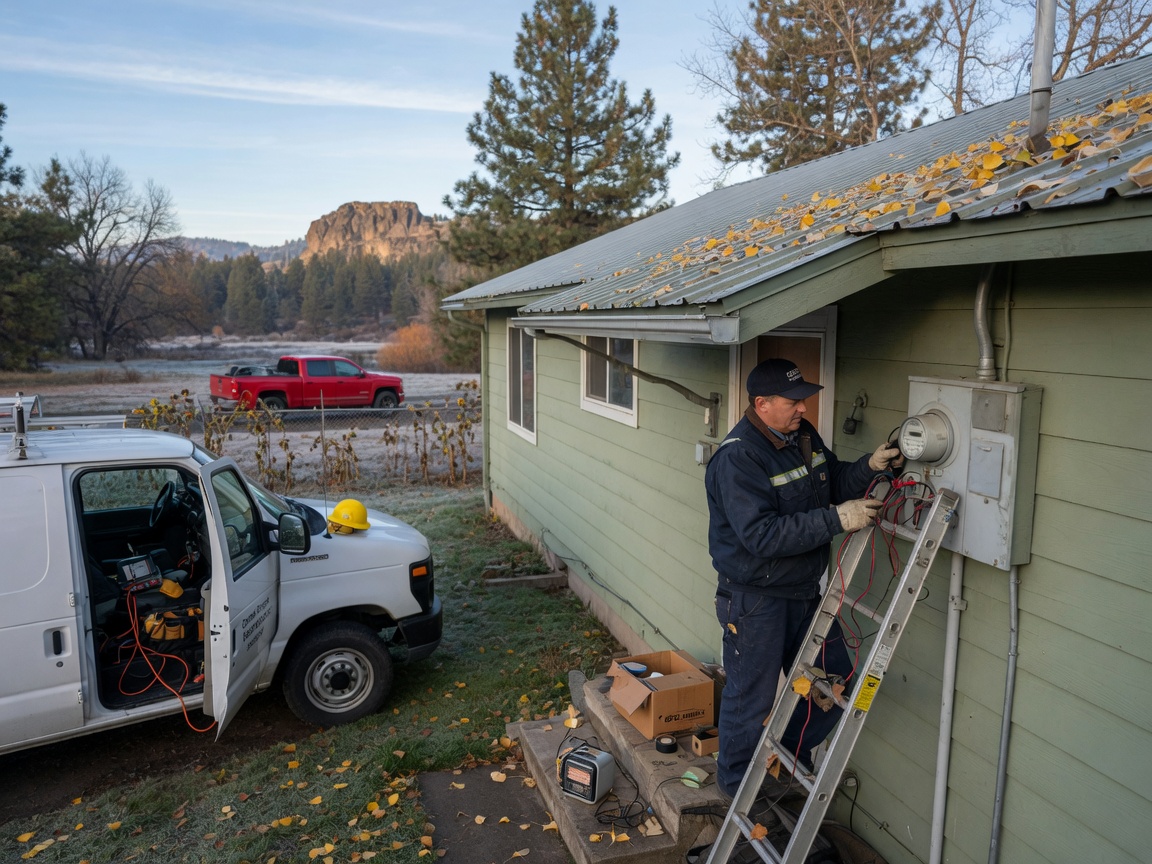
Seasonal electrical maintenance in Prineville means two focused checkups a year — one before summer heat peaks and one before winter cold sets in — plus a few targeted tasks after each. Most homeowners spend $0 doing the visual checks themselves, and $150–$400 if they bring in an electrician for a full panel and outlet inspection. The payoff is real: catching a loose breaker connection or a cracked outlet before it fails during a July heat wave or a January cold snap saves you an emergency call and possibly a fire risk.
Why Prineville's Climate Is Hard on Electrical Systems
Crook County's high desert climate swings from hot, dry summers to genuinely cold winters, and that temperature range is tougher on wiring and connections than people expect. Metal contracts and expands with every swing, which loosens screw terminals in outlets, switches, and breaker panels over years. Add in the dust that blows through Downtown Prineville and out toward Ochoco National Forest, and you get grit working its way into panel enclosures and HVAC electrical connections. Homes built in the 1970s and 80s — common throughout Prineville — often have aluminum branch wiring or panels that were never rated for the added loads of modern AC units, well pumps, and electronics. That combination of thermal cycling, dust, and aging equipment is exactly why a seasonal look matters more here than in a milder, wetter climate.
Spring Checklist: Before Summer Heat Hits
Before the real heat arrives, walk your property and check these:
- Outdoor outlets and GFCIs — test each one; UV and dust degrade the rubber gaskets over time
- AC circuit and disconnect — look for discoloration or a burning smell at the outdoor disconnect box, a sign of a loose connection under load
- Panel dust buildup — if you can safely open the panel cover, check for dust accumulation on breakers
- Extension cords and outdoor lighting — replace any cracked or sun-damaged cords before you rely on them for summer projects
If your panel is older than 25–30 years or you're still running fuses, this is also a good time to consider a panel upgrade before summer AC load pushes an undersized system past its limit. A tripped main breaker on the hottest day of the year is a preventable problem.
Fall Checklist: Before Cold Weather and Heavier Loads
As temperatures drop toward winter, the load on your system shifts from air conditioning to space heaters, well pump heat tape, and holiday lighting — often all running at once. Before that happens:
- Test GFCIs and AFCIs — press the test button monthly, but definitely before winter; a failed GFCI in a garage or crawlspace won't protect you when you need it most
- Inspect breaker panel for warm or discolored breakers — heat discoloration means a loose or failing connection
- Check space heater circuits — most household circuits are rated for 15 or 20 amps; a single 1,500-watt heater already draws close to 12.5 amps, so avoid stacking heaters on one circuit
- Generator readiness — if you rely on a portable or standby generator during winter outages, test it now rather than during the first storm; see our guide on safe generator use during Prineville power outages for the details that keep you safe
Homes near Prineville Reservoir State Park and other outlying properties on well systems should pay particular attention to pump circuits, since a winter freeze combined with an electrical fault is a much bigger problem out there than in town.