2026-09-01 ·
Common Electrical Issues in Older Prineville Homes
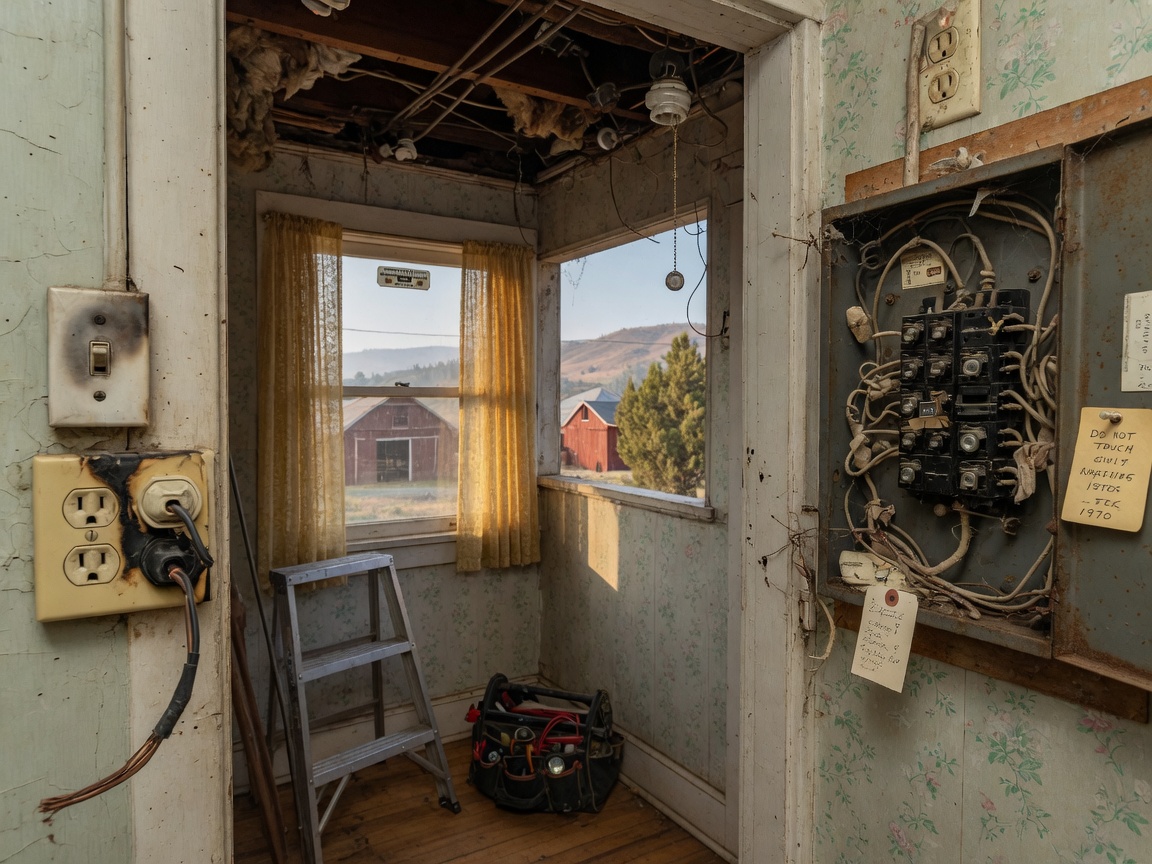
Common electrical issues in older Prineville homes usually fall into four categories: outdated wiring (knob-and-tube or early aluminum runs), undersized electrical panels (60-amp or 100-amp systems built for a fraction of today's load), deteriorated outlets and switches, and heat-stressed connections from decades of high desert temperature swings. Homes built before the 1970s around Downtown Prineville and the older streets near the Crook County Courthouse are the most likely candidates, and the fixes range from a simple $150–$350 outlet swap to a full $3,500–$8,000 rewire depending on the home's size and how the wiring was originally run.
Why Prineville's Older Housing Stock Is Different
A lot of homes near Downtown and the older residential blocks off 3rd Street were built decades before central air conditioning, EV chargers, or modern kitchen appliances existed. Wiring sized for a 1950s household simply wasn't designed for today's load. I regularly find 60-amp panels still in service, sometimes with fuses instead of breakers, feeding homes that now run space heaters, hot tubs, and multiple large appliances at once. The high desert climate here doesn't help — hot summers push AC units and fans harder than the original wiring anticipated, and cold winters bring space heater season, which is when I get the most calls for tripped breakers and warm outlet covers.
The Most Common Problems I Find
- Knob-and-tube wiring — still present in some pre-1960s homes; the rubber and cloth insulation cracks with age and heat cycling, especially in attics that see 100°F+ summer temperatures.
- Undersized panels — 60-amp or 100-amp services that can't safely support modern appliance loads, generators, or EV chargers.
- Aluminum branch wiring — common in homes built in the 1960s–70s; it expands and contracts differently than copper, loosening connections over time and creating heat at outlets and switches.
- Two-prong, ungrounded outlets — a shock and fire risk for anything with a three-prong plug, common in Downtown-era homes that haven't been updated.
- Overloaded circuits — kitchens and shops with too few outlets for how the space is actually used now.
How the High Desert Climate Accelerates Wear
Prineville's temperature swings are harder on electrical systems than people expect. Attic wiring can bake at well over 120°F in summer, drying out insulation and making it brittle, while winter cold makes plastic sheathing and old wire nuts more prone to cracking when disturbed. Outdoor outlets and panels near Powell Butte or Terrebonne properties with detached garages and shops see even more exposure to these swings. I also see more moisture-related corrosion than people expect in outdoor panels, especially on properties bordering the Ochoco National Forest where morning dew and shaded areas keep components damp longer into the day. None of this happens overnight, but 20–40 years of these cycles is exactly why older Prineville homes show more heat-damaged connections than newer builds in Redmond or Bend subdivisions.
Signs You Should Get an Inspection
- Breakers that trip repeatedly without an obvious cause
- Outlets or switch plates that feel warm to the touch
- Flickering lights that aren't tied to a specific appliance
- A persistent burning or hot-plastic smell near the panel
- Buzzing sounds from outlets, switches, or the panel itself
- Two-prong outlets throughout the house with no ground wire
Any one of these on its own might be minor, but combined they usually point to wiring or connections that have been quietly degrading for years. I'd rather a homeowner call for a $100–$150 diagnostic visit than wait until a breaker won't reset at 10 p.m. in January.
What Repairs Typically Involve
Depending on what's found, the fix might be as simple as outlet and switch repair for a handful of failed receptacles, or as involved as a full electrical wiring and rewiring project if knob-and-tube or aluminum wiring runs through most of the house. Panel upgrades are also common — if you're still on a 60-amp or 100-amp service, a 200-amp upgrade opens the door to modern appliances, a hot tub, or an EV charger without overloading the system. I've written more about what that process looks like in what to expect when upgrading your electrical panel in Prineville, and homeowners weighing a full rewire against a partial repair may find cost factors for home rewiring projects in Prineville Oregon useful for budgeting before committing either way.